

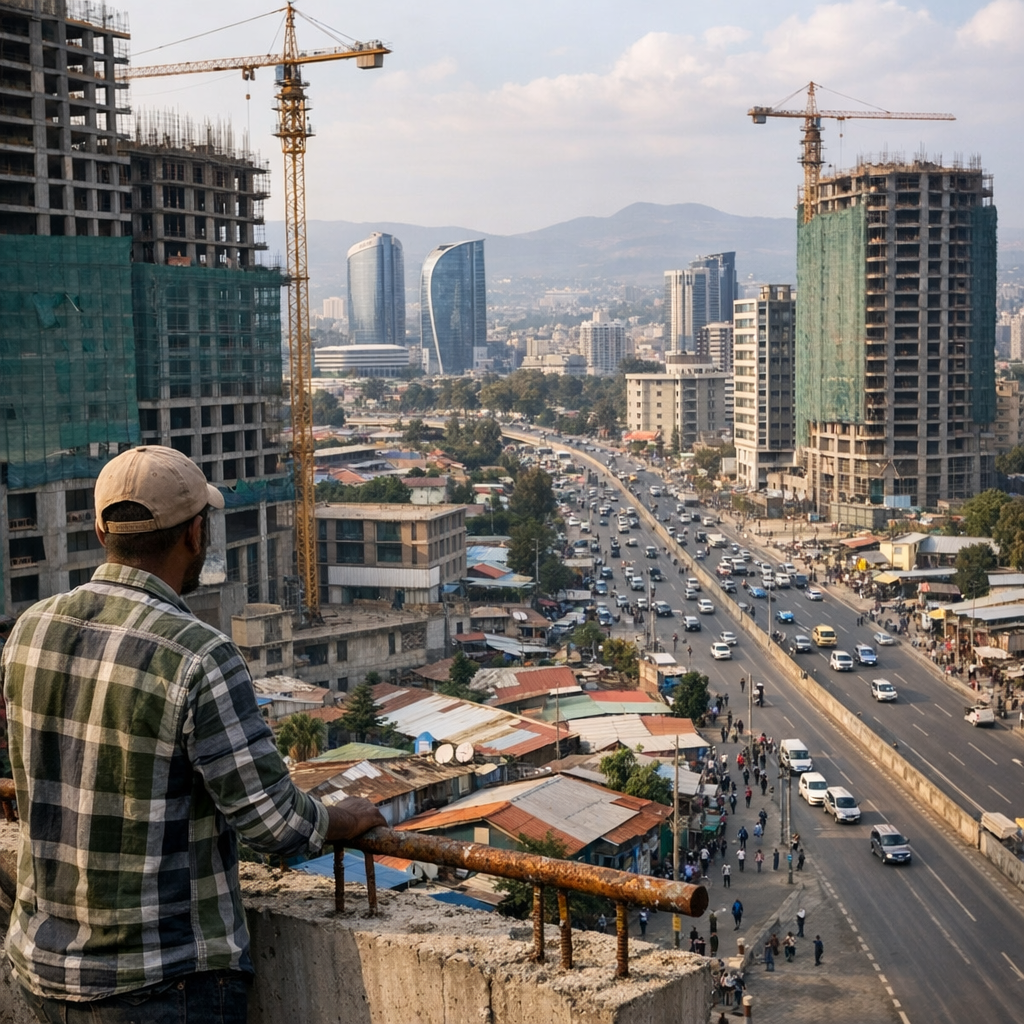
Addis Ababa’s real estate market is experiencing significant transformations, influenced by rapid urbanization, economic growth, and evolving housing preferences. Understanding these changes is crucial for prospective buyers, renters, and investors.
Rising Housing Demand and Shifting Preferences
The city’s population growth has intensified the demand for housing. Notably, there’s a shift towards apartment living, especially among younger residents and professionals who value convenience and security. This trend is evident in neighborhoods like Bole, Kazanchis, and CMC, where modern apartment complexes are increasingly prevalent.
Rental Market Dynamics
The rental sector reflects the broader housing demand. Prime areas such as Bole and Kazanchis command higher rents due to their proximity to business hubs and amenities. However, the market faces challenges, including affordability issues and a preference for upfront payments, with landlords often requiring six months to a year in advance.
Investment Opportunities and Challenges
For investors, Addis Ababa offers promising opportunities. Rental yields in prime areas average 8% to 10%, driven by demand from expatriates, NGOs, and professionals. However, challenges persist, including limited mortgage accessibility and high construction costs, which can impact profitability.
Emerging Neighborhoods and Development Trends
While established areas remain attractive, emerging neighborhoods like Summit and CMC are gaining attention. These areas offer modern housing options and are becoming new investment hotspots due to ongoing infrastructure developments and urban expansion.
In conclusion, Addis Ababa’s real estate market presents a dynamic environment with opportunities and challenges. Staying informed about market trends and conducting thorough research are essential for making sound real estate decisions in the city.